Your Ayurveda Dosha: Vata, Pitta, or Kapha?
Your Ayurveda dosha shapes digestion, stress, and sleep. Learn the three types and how to find yours with an Ayurvedic assessment in Brooksville FL.
If you have ever tried a diet or wellness trend that worked great for a friend but did nothing for you, or even made you feel worse, you are not broken. You just have a different dosha than they do.
That is the whole idea behind Ayurveda. This system from India does not believe in universal fixes, because it does not believe in universal bodies. Your constitution, your dosha, is a rough blueprint for how your body tends to work, what it likes, and what throws it off.
Getting a feel for yours is a solid first step toward making choices that fit you.
What Exactly Is a Dosha?
The word “dosha” translates roughly to “constitution” or “mind-body type.” Ayurveda describes three: Vata, Pitta, and Kapha. Everyone has all three. Most people have one or two that run the show.
Think of it as your wiring meeting your daily habits. Your dominant dosha tends to shape:
- how fast your metabolism runs
- what foods sit well with you
- how you respond to stress
- your sleep patterns
- where you tend to hold tension
When your dominant dosha gets pushed out of balance, that is usually when you start feeling off. The goal is not to change your constitution. It is to live in a way that works with it.
Meet the Three Doshas
Vata is air and space. If it is your dominant dosha, you are probably light-built, quick-thinking, and often on the move. Your digestion can be irregular. Under stress you might notice dry skin, restlessness, or trouble sleeping. You do best with routine, warmth, and calming habits.
Pitta is fire and water. You are probably medium-built with strong digestion and a sharp mind. When Pitta runs high, you tend to run hot: heartburn, irritability, and burnout show up. You do best with cooling foods, downtime, and permission to stop pushing for a few minutes.
Kapha is earth and water. You are probably solid-built with steady energy and a calm way about you. Kapha types hold onto things, from water weight to emotions. When Kapha builds up, you can feel heavy, congested, or flat. You do best with movement, variety, and lighter foods.
Most people are dual-dominant. I am Vata-Pitta, which means I run hot mentally and physically, and my nervous system winds up fast. Knowing that shapes how I eat and structure my day.
Why One-Size-Fits-All Doesn’t Work
The same advice that suits one dosha can work against another.
Eat more raw salads for your health? Great for a Pitta type who runs hot. Harder on a Vata type whose digestion likes warm, cooked food. A Kapha type may feel weighed down by piles of raw vegetables.
Hot yoga to sweat it out? Good match for Kapha. Can be too much heat for Pitta. Often too stimulating for Vata.
High-intensity intervals for energy? Kapha tends to thrive on it. Vata can crash. Pitta can tip into burnout.
When you know your dosha, you stop fighting your own biology and start working with it. You waste less on things that do nothing for you and put your effort where it actually helps.
How to Figure Out Your Dominant Dosha
You can take an online quiz, and you should. It is a decent starting point. Try our dosha quiz for a quick read on where you lean.
The most accurate approach, though, is an Ayurvedic assessment with a trained practitioner. Most of us have blind spots about ourselves. A trained eye can read patterns in your tongue, pulse, skin, and digestion that you would not catch on your own.
At Healing Warrior Arts in Brooksville FL, I offer Ayurvedic assessments that look at your constitution, your current imbalances, and what your body seems to want right now. It is not mystical. It is pattern recognition built on a long tradition of careful observation.
What This Means Day to Day
Once you have a sense of your dominant dosha, you can make choices that fit:
Vata dominant: lean on routine. Favor warm, moist, cooked foods. Protect your sleep. Keep movement grounding, like walking, gentle yoga, and stretching. Watch for restlessness, racing thoughts, and dryness.
Pitta dominant: cool it down. Go easy on very spicy food, hard sun, and overwork. Your digestion is already strong, so you do not need aggressive cleanses. Keep movement challenging but not cutthroat. Watch for irritability and pushing too hard.
Kapha dominant: bring in stimulation and lightness. Enjoy warming, spicy food and a varied routine. Keep movement regular and energizing, since your tendency is toward stagnation. Watch for heaviness, congestion, and low motivation.
Where Ayurveda Meets the Rest of What We Do
Here is why I fold Ayurvedic assessment into the practice. A lot of wellness treats one symptom at a time. Ayurveda looks at the whole system first.
When someone comes in feeling run down, I look at their overall constitution before anything else. What is their baseline? What is out of balance right now? That tells us where to start.
From there we can combine approaches sensibly. Maybe that is SomaVeda Thai Yoga to calm the nervous system for a Vata type, paired with some diet guidance. Maybe it is more movement and warmth for a Kapha type. The dosha tells us where to begin and what to prioritize.
The aim is not to make your life more complicated. It is to make your choices more accurate. Less guesswork, better fit.
Your Next Step
You could read about doshas for hours. Or you could get an Ayurvedic assessment and get a clear read on your own constitution.
If you are in Brooksville FL or the surrounding Hernando County area, come see me at Healing Warrior Arts. We do a full constitutional look and tie it into your wellness goals. Book a session when you are ready.
Veterans get 25% off with NAIC membership ($15/year). That is me honoring people who served.
Knowing your dosha will not fix everything overnight. But it gives you a map, and a map makes the next step a lot clearer.
These services are traditional bodywork and wellness practices, not medical care, and are not intended to diagnose, treat, cure, or prevent any disease. Individual results vary. Consult your physician for medical concerns.
Healing Warrior Arts offers SomaVeda® Thai Yoga, Ayurvedic assessment, PEMF, mild hyperbaric (mHBOT), far-infrared sauna, and more in Brooksville FL. Book a constitutional consultation to learn what your body needs.
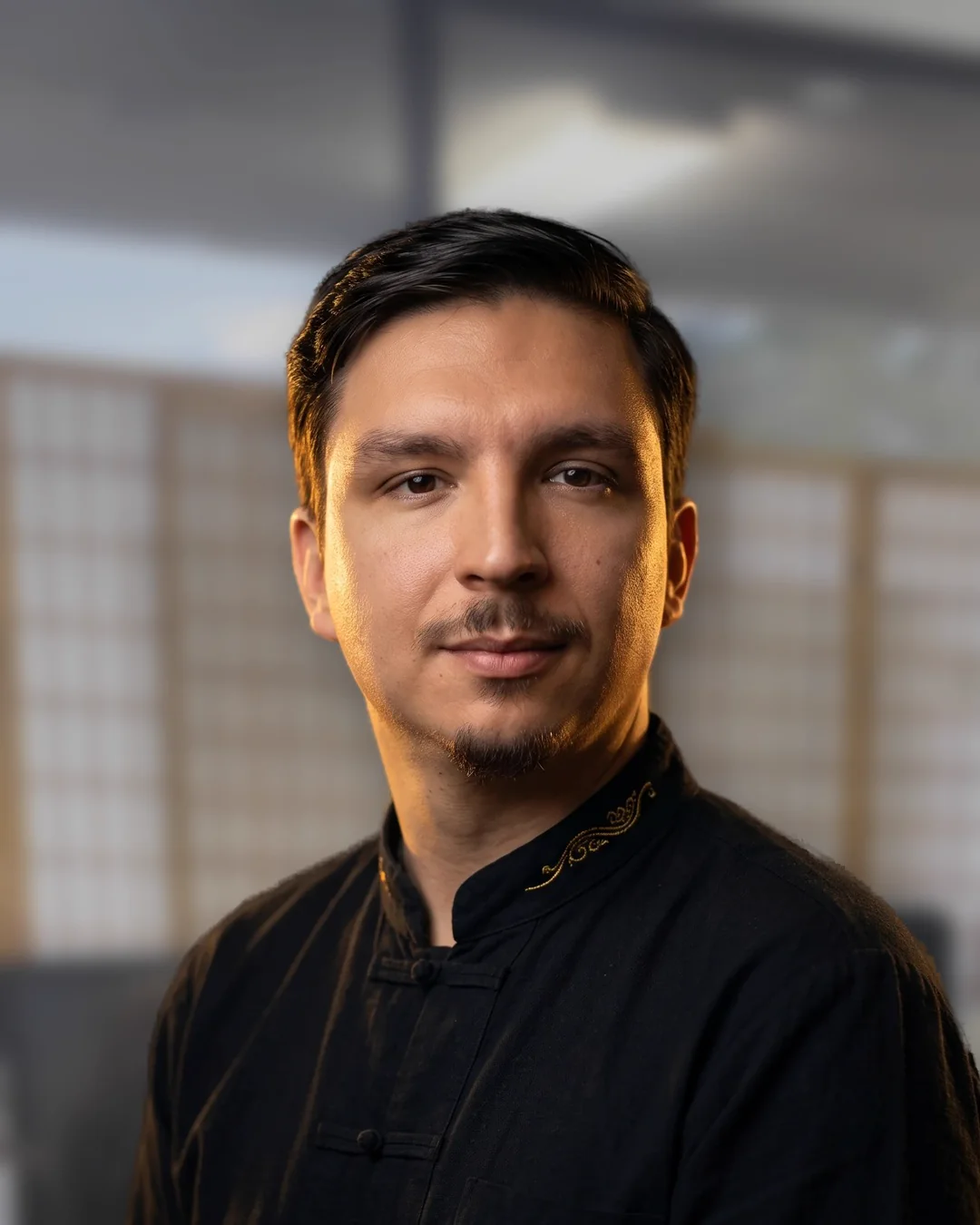
Tyler Singleton
Healing Warrior Arts, Brooksville FL
Questions about anything in this post?